
Top Credit Card Issuers in the US
- Chase
One of the largest card issuers in the U.S., Chase is best known for travel and cash back cards with strong rewards programs and premium benefits for consumers with established credit. - American Express
American Express focuses on customer service, purchase protections, and high-value rewards, particularly for travel and dining, though many cards require good to excellent credit. - Capital One
A popular issuer among a broad range of Americans, Capital One offers straightforward cash back and travel cards with user-friendly apps and flexible credit requirements. - Discover
Discover is well known for no-annual-fee cards, rotating cash back categories, and strong U.S.-based customer support, often appealing to students and new credit users. - Navy Federal Credit Union
Serving military members and their families, Navy Federal offers competitive APRs, low fees, and relationship-driven lending options.
Major Bank Credit Cards
Major bank credit cards are issued by large institutions like Chase, Citi, and Bank of America. These cards typically offer attractive features such as cash back rewards, travel points, fraud protection, and 0% intro APR offers on purchases or balance transfers. However, approval usually requires a solid FICO score and established credit history. For Americans with limited or damaged credit, these cards can be difficult to qualify for and may carry higher penalty APRs if payments are missed.
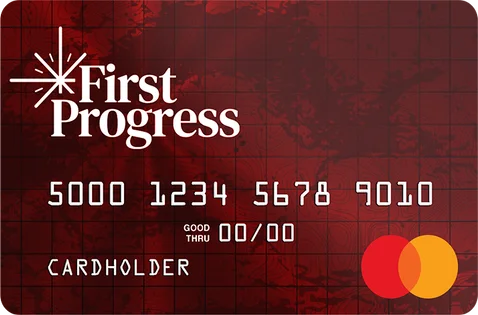
First Progress Platinum Elite Mastercard Secured Credit Card
The First Progress Platinum Elite Mastercard Secured is designed for U.S. consumers who are focused on building or rebuilding credit rather than earning rewards. Cardholders provide a refundable security deposit that generally sets the credit limit, helping promote responsible spending. One of its biggest advantages is that it requires no minimum credit score and no hard credit inquiry, making it accessible to individuals with poor or no credit history. While it does not offer cash back or travel points, it reports monthly to all three major U.S. credit bureaus, which is essential for improving a FICO score. The application process is simple, fees are transparent, and the card is widely accepted wherever Mastercard is used in the United States.
Fintech or Online-Only Credit Card Issuers
Fintech and online-only card issuers emphasize digital convenience, offering mobile apps, real-time spending alerts, and budgeting tools. These cards appeal to tech-savvy Americans and sometimes use alternative data for approval. However, some fintech cards come with higher APRs, limited customer service options, or fewer long-term benefits. Consumers should carefully review terms and conditions before applying.
Secured Credit Cards for Building Credit
Secured credit cards are a foundational tool in the U.S. credit system for people starting out or repairing past mistakes. By requiring an upfront deposit, issuers reduce risk and can approve applicants with low credit scores. These cards help build payment history, manage credit utilization, and improve overall credit health. The trade-offs often include lower credit limits and possible annual fees, but responsible use can lead to qualification for unsecured cards over time.
Retail Store Credit Cards
Retail store credit cards are often easy to obtain and may offer discounts or promotional financing at specific retailers. However, they typically have high APRs, limited acceptance outside the store, and lower credit limits. While they can contribute to credit history, many Americans find that the high interest rates make them risky if balances are not paid in full each month.
How Credit Cards Impact Your Finances and Credit Score in the US
In the United States, credit cards have a major impact on your FICO score, especially through your credit utilization ratio, which measures how much of your available credit you are using. Keeping utilization below 30% is critical for maintaining a healthy score. On-time payments help build a positive credit history, while carrying balances can lead to costly compound interest. Credit card debt also affects your debt-to-income (DTI) ratio, which lenders evaluate when reviewing mortgage or auto loan applications. Balance transfers can help manage high-interest debt but require discipline. Card benefits like purchase protection or rental car insurance can add value when understood. Too many hard inquiries in a short time may lower your score. Always read the cardholder agreement, avoid high-interest debt, and pay your balance in full whenever possible.