
Top Credit Card Issuers in the US
- Chase
A major US issuer offering popular cash back and travel rewards cards, competitive sign-up bonuses, and strong digital banking tools. - American Express
Widely recognized for premium cards, excellent US-based customer service, and valuable perks like purchase protection and travel benefits. - Capital One
Known for simple rewards structures, broad approval ranges, and cards designed for both credit building and everyday spending. - Discover
A US-focused issuer offering no annual fee cards, generous cash back programs, and free FICO score monitoring.
Major Bank Credit Cards
Credit cards from large US banks typically offer cash back rewards, travel points, and introductory 0% APR periods on purchases or balance transfers. These cards can be powerful tools for earning rewards and building a strong credit history when balances are paid in full. However, they often carry high variable APRs, making them expensive for consumers who revolve balances.
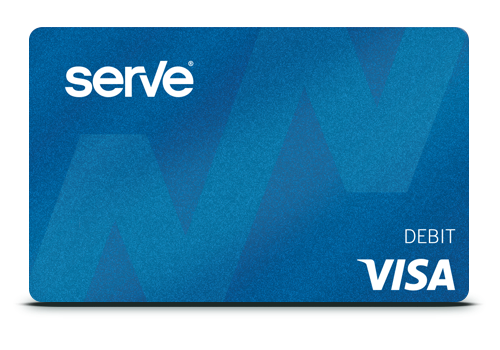
Serve Pay As You Go Visa Credit Card
The Serve® Pay As You Go Visa® functions as a prepaid Visa card rather than a traditional credit card. There is no interest or APR because spending is limited to the funds you load onto the card. The application process does not involve a credit check, which makes it accessible to US consumers with poor or no credit history. Key benefits include predictable monthly fees, mobile app budgeting tools, direct deposit support, and customer service backed by American Express.
Fintech or Online-Only Credit Card Issuers
Fintech issuers such as Chime, Petal, and Cred.ai focus on digital-first experiences with fast approvals and real-time spending insights. Many target US consumers who want to build credit with fewer barriers. While convenient, fintech cards may offer limited rewards and can still charge high interest if balances are carried.
Secured Credit Cards for Building Credit
Secured credit cards are widely used in the US for building or repairing credit. They require a refundable security deposit that determines the credit limit and report activity to major credit bureaus. When used responsibly, they can help improve a FICO score, but they typically offer few rewards and still charge interest on unpaid balances.
Retail Store Credit Cards
Retail store credit cards are often promoted at checkout with promises of discounts or special financing. In the US, these cards usually come with very high APRs and limited usability outside the issuing retailer. While they may offer short-term savings, they can lead to costly debt if not managed carefully.
How Credit Cards Impact Your Finances and Credit Score in the US
Credit cards play a crucial role in shaping your financial profile and FICO score in the US. One of the most important factors is your credit utilization ratio, which measures how much of your available credit you use and should ideally stay below 30%. Making on-time payments builds a strong payment history, while carrying balances leads to expensive compound interest. High credit card debt can increase your debt-to-income (DTI) ratio, reducing your chances of mortgage approval or favorable loan terms. Balance transfers can help manage high-interest debt but require discipline. Benefits like purchase protection and rental car insurance add value when understood. Multiple hard inquiries in a short time can temporarily lower your score. Always read the cardholder agreement, avoid high-interest debt, and pay balances in full whenever possible.