
Top Credit Card Issuers in the US
- Chase – A leading U.S. issuer offering versatile travel rewards, strong co-branded airline and hotel cards, and excellent digital banking features.
- American Express – Known for premium rewards, top-tier customer service, and valuable protections, especially for travel and lifestyle spending.
- Capital One – Popular among U.S. consumers for straightforward cash back cards, intuitive mobile apps, and accessible approval standards.
- Discover – A trusted American brand with simple rewards, no annual fees on most cards, and strong domestic customer support.
- Navy Federal Credit Union – Highly regarded for low APRs and member-focused benefits, particularly for military members and their families.
Major Bank Credit Cards
Credit cards issued by major U.S. banks such as Citi, Chase, and Bank of America typically provide broad acceptance, advanced fraud protection, and comprehensive rewards programs. These cards often feature cash back rewards, travel points, and promotional offers like 0% intro APR on purchases or balance transfers. They are well suited for consumers with good to excellent credit who want reliable customer service, robust mobile apps, and long-term financial stability. The main drawback is that interest rates can be high if balances are not paid in full.
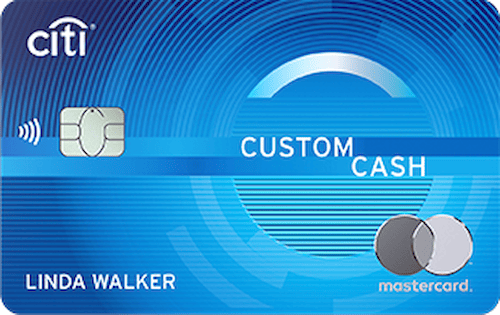
Citi Custom Cash Card Credit Cards
The Citi Custom Cash Card is especially appealing to U.S. consumers because it simplifies earning rewards. Cardholders automatically earn 5% cash back on their top eligible spending category each billing cycle (up to $500 per month) and 1% cash back on all other purchases, without rotating categories or enrollment. The card charges no annual fee and often includes a 0% intro APR on purchases and balance transfers, making it useful for short-term financing. The application process is straightforward for those with good credit, and Citi’s established reputation in the U.S. ensures dependable customer service, strong fraud monitoring, and easy online account management.
Fintech or Online-Only Credit Card Issuers
Fintech and online-only credit card issuers like Apple Card, SoFi, and Chime emphasize digital convenience and transparency. In the U.S., these cards often offer flat-rate cash back, real-time spending alerts, and budgeting tools within mobile apps. They appeal to consumers who value simplicity and modern design. However, fintech cards may lack premium perks such as travel insurance, extended warranties, or flexible redemption options compared to traditional bank-issued cards.
Secured Credit Cards for Building Credit
Secured credit cards are widely used in the U.S. by individuals who are new to credit or rebuilding their FICO score. These cards require a refundable security deposit that typically equals the credit limit. Responsible use—making on-time payments and keeping balances low—helps improve payment history and credit utilization, two key factors in credit scoring. While rewards are usually minimal, secured cards are an effective pathway toward qualifying for unsecured cards like the Citi Custom Cash Card.
Retail Store Credit Cards
Retail store credit cards often promote instant discounts or special financing at specific U.S. retailers. While approval is usually easier, these cards tend to have very high APRs, limited usability outside the store, and fewer long-term benefits. For most American consumers, store cards should be used cautiously and paid off quickly to avoid costly interest charges and unnecessary debt.
How Credit Cards Impact Your Finances and Credit Score in the US
In the United States, credit cards significantly affect your FICO score, especially through your credit utilization ratio, which measures how much available credit you’re using. Keeping utilization below 30% is critical for maintaining a healthy score. On-time payments build positive credit history, while carrying balances can lead to expensive compound interest. Credit card debt also impacts your debt-to-income (DTI) ratio, which lenders consider when approving mortgages and other large loans. Balance transfers can reduce interest costs but require discipline to be effective. Card benefits like purchase protection and rental car insurance add value when understood. Too many hard inquiries in a short time can temporarily lower your score. Always read the cardholder agreement, avoid high-interest debt, and pay your balance in full whenever possible.