
Top Credit Card Issuers in the US
- Chase – A dominant force in the U.S. credit card market, offering reliable cash back and travel rewards, strong fraud protection, and broad Visa acceptance.
- American Express – Known for premium rewards, travel-focused benefits, and top-tier customer service, particularly appealing to frequent travelers.
- Capital One – Valued for simple rewards structures, accessible approvals, and excellent mobile tools for everyday money management.
- Discover – Offers easy-to-understand cash back programs, no annual fees, and highly rated U.S.-based customer service.
- Navy Federal Credit Union – A trusted issuer for eligible members, featuring low APRs, high credit limits, and strong long-term value.
Major Bank Credit Cards
Major bank credit cards in the U.S. are typically issued by large financial institutions and offer extensive benefits and nationwide acceptance. These cards often include cash back rewards, travel points, purchase protections, and 0% intro APR offers on purchases or balance transfers. They are ideal for consumers with established credit seeking flexibility and robust perks. However, interest rates can be high if balances are not paid in full, making disciplined usage essential to avoid unnecessary interest costs.
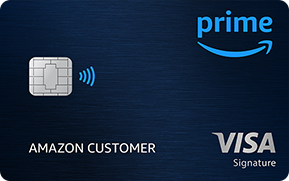
Amazon Prime Rewards Visa Signature Credit Card
The Amazon Prime Rewards Visa Signature is specifically designed for U.S. consumers who frequently shop on Amazon and at Whole Foods Market. Cardholders earn elevated cash back on Amazon purchases and competitive cash back on everyday spending categories like dining, gas stations, and drugstores. There is no annual fee, though a Prime membership is required. Issued by Chase, the card offers a smooth application process, solid customer service reputation, competitive APRs for a rewards card, and Visa Signature perks such as purchase protection and extended warranty benefits.
Fintech or Online-Only Credit Card Issuers
Fintech and online-only credit card issuers focus on digital convenience and transparency for U.S. consumers. These cards often feature intuitive mobile apps, instant spending alerts, and straightforward cash back rewards. They can be appealing to users who prefer simple, tech-driven experiences. However, rewards rates and benefits like travel insurance or extended warranties may be more limited compared to traditional bank-issued credit cards.
Secured Credit Cards for Building Credit
Secured credit cards are commonly used in the U.S. to build or rebuild credit. They require a refundable security deposit that usually matches the credit limit. These cards report activity to the major credit bureaus, helping consumers improve their FICO score through on-time payments and low credit utilization. While they typically lack rewards and may have higher APRs, they are an effective stepping stone toward unsecured credit cards.
Retail Store Credit Cards
Retail store credit cards are tied to specific merchants and may offer discounts or special financing promotions. In the U.S., they are often easier to qualify for but usually come with high APRs and limited usability outside the store. Carrying a balance can quickly outweigh any initial savings, making these cards less suitable for long-term financial health.
How Credit Cards Impact Your Finances and Credit Score in the US
In the U.S., credit cards strongly influence your overall financial profile and FICO score. Your credit utilization ratio is critical, and keeping balances well below your credit limit helps protect your score. On-time payments build a positive credit history, while carrying high balances leads to costly compound interest. Credit card debt also affects your debt-to-income (DTI) ratio, which lenders consider when reviewing mortgage applications. Balance transfers can be a strategic tool when used responsibly. Card benefits like purchase protection and rental car insurance add value when understood and used properly. Multiple hard inquiries in a short period can lower your score. Always review the cardholder agreement, avoid high-interest debt, and pay your balance in full whenever possible.