
Top Credit Card Issuers in the US
- Chase – A dominant player in the US market, known for cards with strong travel points, cash back rewards, and valuable sign-up bonuses.
- American Express – Highly regarded for premium cards, excellent customer service, and rewards focused on travel, dining, and lifestyle benefits.
- Capital One – Offers simple, transparent credit cards with cash back or travel rewards, often with no annual fees and easy-to-use mobile tools.
- Discover – Popular among US consumers for rotating cash back categories, no annual fees, and strong customer satisfaction.
- Navy Federal Credit Union – Provides low-interest credit cards and favorable terms for eligible military members and their families.
Major Bank Credit Cards
Major bank credit cards from US institutions such as Chase, Citi, and Bank of America typically feature broad acceptance, strong fraud protection, and well-established rewards programs. These cards often include cash back rewards, travel points, and 0% intro APR offers on purchases or balance transfers. While they provide reliability and long-term value, approval requirements are usually stricter, and APRs can be high after promotional periods. They are best suited for consumers with good to excellent credit who want flexible rewards and trusted financial backing.
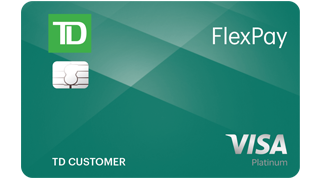
TD FlexPay Credit Card
TD FlexPay credit cards are built for Americans who want more control over how they pay. A standout feature is the flexible payment structure, allowing eligible purchases to be paid over time with clearer costs compared to traditional revolving balances. TD FlexPay typically offers competitive APRs, a rewards structure focused on everyday spending categories, and a straightforward online application process. Supported by TD Bank’s strong US presence, cardholders benefit from reliable customer service, robust fraud monitoring, and tools that support responsible credit use and long-term FICO score growth.
Fintech or Online-Only Credit Card Issuers
Fintech and online-only issuers like Apple Card, SoFi, and Chime appeal to US consumers seeking a digital-first experience. These cards emphasize mobile apps, real-time spending alerts, and simplified cash back rewards. They are attractive to tech-savvy users who value convenience and transparency. However, rewards programs may be limited, and options for balance transfers or personalized support can be fewer compared to traditional banks. Consumers should evaluate whether ease of use outweighs long-term benefits.
Secured Credit Cards for Building Credit
Secured credit cards are a common tool in the US for building or rebuilding credit. They require a refundable security deposit, which usually equals the credit limit. These cards report to the major credit bureaus, helping users build payment history and improve their FICO score through on-time payments and low credit utilization. While rewards are minimal and APRs are often high, secured cards are an effective entry point for consumers new to credit or recovering from past credit issues.
Retail Store Credit Cards
Retail store credit cards are issued by individual merchants and typically offer discounts or promotional financing on in-store purchases. While these benefits can be appealing, such cards often carry high APRs and limited usability outside the retailer. For US consumers, overuse can increase credit utilization and lead to expensive interest charges. These cards should be used cautiously and only when balances can be paid in full quickly.
How Credit Cards Impact Your Finances and Credit Score in the US
In the US, responsible credit card use is essential for maintaining a strong financial profile and FICO score. Credit utilization ratio plays a critical role, with lower usage generally improving your score. Consistent on-time payments build a positive credit history, while carrying high balances exposes you to costly compound interest. Credit cards also influence your debt-to-income (DTI) ratio, which lenders review when evaluating applications for major loans like mortgages. Balance transfers can be a strategic way to reduce interest, but they require discipline. Benefits such as purchase protection and rental car insurance add value when understood and used correctly. Multiple hard inquiries in a short period can temporarily lower your score. Always read the cardholder agreement, avoid high-interest debt, and aim to pay your balance in full whenever possible.