
Top Credit Card Issuers in the US
- Chase
A dominant U.S. issuer offering versatile rewards cards, strong fraud protection, and access to the highly valued Ultimate Rewards® ecosystem. - American Express
Best known for premium cards, generous travel and dining rewards, and top-tier customer service for U.S. consumers. - Capital One
Offers simple, easy-to-understand rewards programs, strong digital tools, and competitive options for cash back and travel miles. - Discover
Popular among Americans for no-annual-fee cards, rotating cash back categories, and 100% U.S.-based customer support. - Navy Federal Credit Union
A trusted credit union serving military members and families, known for low APRs and member-focused benefits.
Major Bank Credit Cards
Major bank credit cards in the U.S. are issued by institutions like Chase, Citi, and Bank of America. These cards typically provide nationwide acceptance, advanced fraud monitoring, and established rewards programs such as cash back rewards or travel points. Many offer 0% intro APR on purchases or balance transfers, which can help with short-term financing or debt consolidation. The main downside is that approval often requires good to excellent credit, and ongoing APRs can be high if balances are carried.
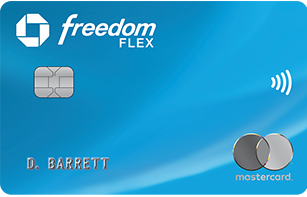
Chase Freedom Flex
The Chase Freedom Flex® is a standout no-annual-fee option for U.S. cardholders who want flexible cash back. It earns 5% cash back on rotating quarterly bonus categories (activation required, up to the quarterly cap), 3% on dining and drugstores, and 1% on all other purchases. It frequently includes a 0% intro APR on purchases and balance transfers, making it useful for managing larger expenses. Backed by Chase’s strong customer service and easy online application process, it also allows rewards to be combined with other Chase cards for greater value.
Fintech or Online-Only Credit Card Issuers
Fintech and online-only credit card issuers focus on digital convenience and transparency. These cards often feature intuitive mobile apps, instant transaction alerts, and alternative approval methods that can help consumers with limited credit history. While appealing for tech-savvy Americans, fintech cards may offer fewer rewards, less robust benefits, and more limited customer support compared to traditional bank-issued cards.
Secured Credit Cards for Building Credit
Secured credit cards are designed for Americans who are building or rebuilding their credit. They require a refundable security deposit that typically becomes the credit limit. Responsible use—such as keeping balances low and making on-time payments—can help improve your FICO score over time. These cards report to major credit bureaus, but they usually offer limited rewards and require upfront cash, making them a temporary solution rather than a long-term rewards strategy.
Retail Store Credit Cards
Retail store credit cards are issued by specific merchants and often include store-only discounts or promotional financing. In the U.S., they are easier to qualify for than general-purpose cards, even with fair credit. However, they usually come with very high APRs, limited usability outside the store, and minimal long-term value. Carrying a balance on these cards can quickly lead to expensive interest charges.
How Credit Cards Impact Your Finances and Credit Score in the US
Credit cards have a significant impact on your FICO score, especially through your credit utilization ratio, which should ideally stay below 30% of your available credit. Making on-time payments every month builds a strong credit history, while carrying high balances exposes you to costly compound interest. Credit card balances also affect your debt-to-income (DTI) ratio, which lenders review when assessing mortgage approval odds. Balance transfers can help lower interest costs if managed carefully and paired with disciplined spending. Benefits like purchase protection or rental car insurance can add real value. Too many hard inquiries in a short period can temporarily lower your score. Always read the cardholder agreement, avoid high-interest debt, and pay your balance in full whenever possible.

 Chase Ink Business Credit Card Guide <p class='sec-title' style='line-height: normal; font-weight: normal;font-size: 16px !important; text-align: left;margin-top: 8px;margin-bottom: 0px !important;'> See why the Chase Ink Business Credit Card is a powerful tool for U.S. small business owners, offering strong cash back rewards, flexible financing, and trusted Chase benefits.</p>