
Top Credit Card Issuers in the US
- Chase
A leading U.S. bank recognized for travel-focused credit cards, generous sign-up bonuses, and flexible Ultimate Rewards® points that appeal to frequent travelers and high spenders. - American Express
Well known for premium benefits and strong customer support, American Express specializes in travel, dining, and lifestyle rewards, typically requiring good to excellent credit. - Capital One
Capital One serves a broad spectrum of U.S. consumers, offering simple cash back programs and cards that are accessible to those with fair or average credit. - Discover
Discover emphasizes transparency, no annual fees on many cards, and rotating cash back categories, making it popular with everyday American consumers. - Navy Federal Credit Union
Focused on military members and their families, Navy Federal provides competitive APRs, low fees, and strong credit-building products.
Major Bank Credit Cards
Credit cards issued by major U.S. banks often include cash back rewards, travel points, fraud protection, and 0% intro APR offers on purchases or balance transfers. These cards generally require good to excellent FICO scores, making approval more difficult for consumers with late payments or collections. For those who qualify, they provide higher credit limits, better long-term value, and strong rewards potential.
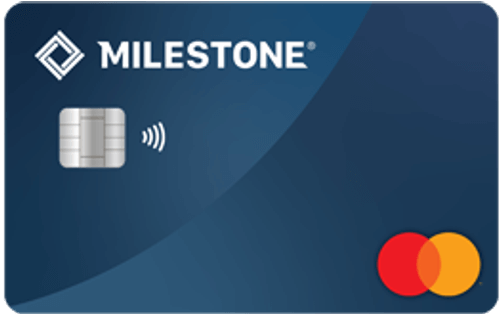
Milestone Mastercard Credit Card
The Milestone® Mastercard® is an unsecured credit card targeted at U.S. consumers with poor or limited credit histories. It reports monthly to Experian, Equifax, and TransUnion, helping cardholders build credit through responsible use. The application process is entirely online, and prequalification allows applicants to check eligibility without affecting their credit score. While the card typically does not offer cash back or travel rewards and may include annual or maintenance fees, its primary advantage is accessibility. Backed by the Mastercard network, it is widely accepted across the United States and can serve as a practical tool for rebuilding a FICO score.
Fintech or Online-Only Credit Card Issuers
Fintech credit card issuers such as Petal, Chime, and Upgrade rely on technology-driven underwriting and often consider income and banking history in addition to credit scores. These cards may offer no annual fees, faster approvals, and mobile-first financial tools, but usually come with modest credit limits and limited rewards. They are commonly used by Americans early in their credit-building journey.
Secured Credit Cards for Building Credit
Secured credit cards are widely used in the U.S. to establish or rebuild credit and require a cash security deposit that typically equals the credit limit. Approval is easier, and most secured cards report to all three credit bureaus. Many allow users to graduate to unsecured cards over time. The main downside is the upfront deposit, but fees and APRs are often more predictable.
Retail Store Credit Cards
Retail store credit cards often offer instant discounts or promotional financing at checkout, but they usually come with very high APRs, low credit limits, and restricted usage. In the U.S., carrying a balance on these cards can quickly erase any savings, making them a higher-risk option for long-term financial health.
How Credit Cards Impact Your Finances and Credit Score in the US
Credit cards significantly influence your FICO score, particularly your credit utilization ratio, which measures how much of your available credit you are using—keeping it below 30% is critical. On-time payments are the strongest factor in building a positive credit history, while carrying balances leads to costly compound interest. Credit card balances also affect your debt-to-income (DTI) ratio, which lenders review when evaluating applications for mortgages or auto loans. Balance transfers can reduce interest costs if used strategically and paid down quickly. Many U.S. cards include benefits such as purchase protection and rental car insurance, adding extra value. Multiple hard inquiries in a short period can temporarily lower your score. Always review the cardholder agreement, avoid high-interest debt, and pay your balance in full whenever possible.

 Chase Ink Business Credit Card Guide <p class='sec-title' style='line-height: normal; font-weight: normal;font-size: 16px !important; text-align: left;margin-top: 8px;margin-bottom: 0px !important;'> See why the Chase Ink Business Credit Card is a powerful tool for U.S. small business owners, offering strong cash back rewards, flexible financing, and trusted Chase benefits.</p>