
Top Credit Card Issuers in the US
- Chase – A leading US issuer offering a wide lineup of cards, especially strong in travel rewards, sign-up bonuses, and flexible redemption options.
- American Express – Well known in the US for premium cards, excellent customer service, and rewards geared toward travel, dining, and lifestyle benefits.
- Capital One – Popular for easy-to-understand cash back rewards, solid digital tools, and cards available to a range of credit profiles.
- Discover – A consumer-friendly issuer offering cash back cards, no annual fees on most products, and strong fraud protection in the US.
- Navy Federal Credit Union – Highly regarded for low APR credit cards and member-focused service for eligible military families.
Major Bank Credit Cards
Major bank credit cards in the US often feature generous cash back rewards, travel points, and promotional offers like 0% intro APR on purchases or balance transfers. These cards usually require good to excellent credit and may charge annual fees. While they can deliver strong value, carrying a balance often results in high interest charges, making them best for disciplined users who pay in full each month.
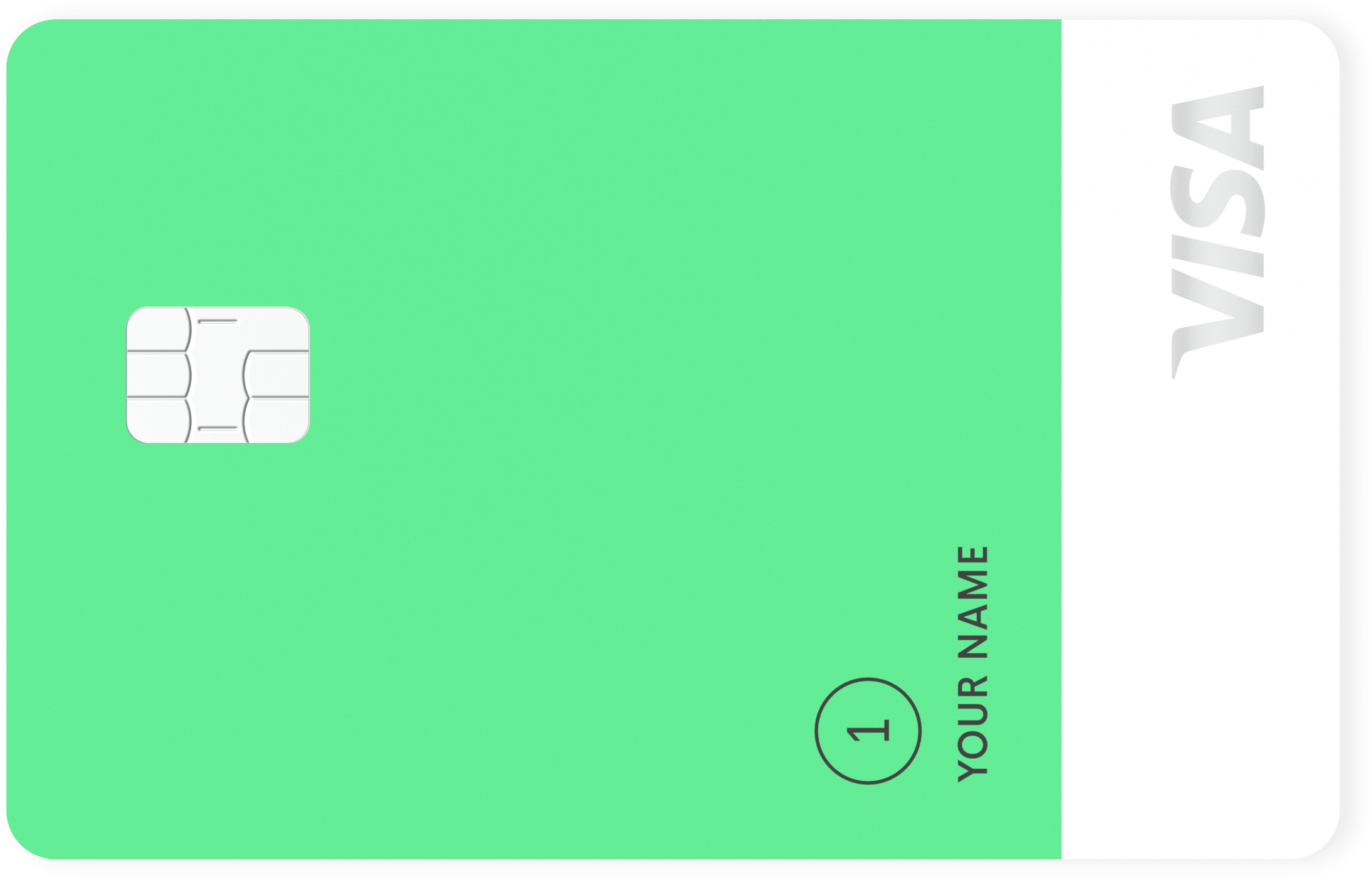
Petal 1 Visa Credit Card
The Petal 1 Visa stands out in the US market as an entry-level, unsecured credit card with no annual fee, no late fees, and no foreign transaction fees. Its application process may consider cash flow and banking history, not just a traditional FICO score, helping consumers with limited credit access. While it doesn’t emphasize cash back rewards, it focuses on predictable APRs, transparency, and tools designed to support responsible credit building and long-term financial health.
Fintech or Online-Only Credit Card Issuers
Fintech and online-only issuers offer credit cards that prioritize mobile access, fast approvals, and user-friendly interfaces. In the US, these cards often appeal to consumers new to credit or those seeking simpler money management. However, rewards programs are usually limited, and APRs can be higher than those from traditional banks, especially for users who carry balances.
Secured Credit Cards for Building Credit
Secured credit cards are a common starting point for building credit in the US. They require a refundable security deposit that typically equals the credit limit. These cards report to credit bureaus and help establish a FICO score, but they tie up cash and rarely offer rewards. Many consumers view them as a temporary solution before upgrading to unsecured options like the Petal 1 Visa.
Retail Store Credit Cards
Retail store credit cards are easy to obtain at checkout and often provide instant discounts or promotional financing. In the US, they usually come with very high APRs and limited usability outside the store. Missed payments can quickly damage your credit score, making these cards a higher-risk option despite short-term savings.
How Credit Cards Impact Your Finances and Credit Score in the US
In the US credit system, credit cards heavily influence your FICO score, especially through credit utilization, which measures how much of your available credit you’re using. Keeping utilization low supports stronger scores. On-time payments build positive credit history, while carrying high balances leads to costly compound interest. Credit cards also affect your debt-to-income (DTI) ratio, which lenders review when evaluating mortgage approval odds. Balance transfers can reduce interest costs but require strict repayment discipline. Benefits like purchase protection or rental car insurance add value if understood and used correctly. Multiple applications in a short time can result in hard inquiries, temporarily lowering your score. Always review the cardholder agreement, avoid high-interest debt, and aim to pay your balance in full whenever possible.

 Chase Ink Business Credit Card Guide <p class='sec-title' style='line-height: normal; font-weight: normal;font-size: 16px !important; text-align: left;margin-top: 8px;margin-bottom: 0px !important;'> See why the Chase Ink Business Credit Card is a powerful tool for U.S. small business owners, offering strong cash back rewards, flexible financing, and trusted Chase benefits.</p>