
Top Credit Card Issuers in the US
- Chase
One of the most popular US issuers, offering a broad lineup of cards with strong travel rewards, sign-up bonuses, and flexible redemption options. - American Express
Known for premium cards, excellent customer service, and rewards programs centered on travel, dining, and lifestyle spending. - Capital One
A widely used issuer focused on simple cash back and travel rewards, with strong digital tools and beginner-friendly products. - Discover
A consumer-focused brand offering no annual fee cards, rotating cash back categories, and transparent terms for US cardholders. - PenFed Credit Union
A national credit union offering competitive APRs and straightforward rewards, appealing to members who prioritize lower interest costs.
1. Major Bank Credit Cards
Major bank credit cards in the US typically provide extensive rewards programs, including cash back and travel points, along with welcome bonuses and 0% intro APR offers. These cards often include benefits like purchase protection, extended warranties, and strong fraud monitoring. However, approval requirements can be stricter, interest rates may be higher for average FICO scores, and premium cards often carry annual fees that require careful spending analysis to justify.
2. BankAmericard Credit Cards
BankAmericard® credit cards are primarily designed for interest savings and balance management rather than rewards. In the US, they are frequently used for long 0% intro APR periods on purchases or balance transfers, making them useful for consolidating high-interest debt. The trade-off is minimal ongoing rewards, which limits their appeal for everyday spending once the intro period ends.
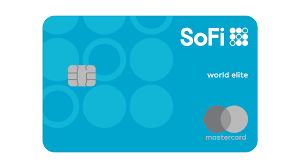
3. Fintech or Online-Only Credit Card Issuers (SoFi Credit Card)
Fintech credit card issuers focus on simplicity, digital-first experiences, and transparent pricing. The SoFi Credit Card is designed for US consumers who value unlimited 2% cash back, no annual fee, and competitive APRs. Rewards can be redeemed toward SoFi products such as student loan repayment, personal loans, or investing accounts, supporting broader financial goals. The application process is fully online, approvals are quick, and SoFi has built a strong reputation for modern, member-focused customer service.
4. Secured Credit Cards for Building Credit
Secured credit cards are a common tool in the US for building or rebuilding credit. They require a refundable security deposit that typically determines the credit limit. When used responsibly—keeping balances low and paying on time—secured cards help establish payment history and improve your FICO score. While rewards are usually limited or nonexistent, these cards are an effective entry point into the US credit system.
5. Retail Store Credit Cards
Retail store credit cards often promote instant discounts or special financing offers at checkout. However, they typically come with very high APRs, limited acceptance outside the store, and fewer long-term benefits. For most US consumers, these cards should be used sparingly and paid off in full each month to avoid expensive interest charges.
How Credit Cards Impact Your Finances and Credit Score in the US
Credit cards significantly affect your financial health in the US. Maintaining a low credit utilization ratio is critical for protecting your FICO score, while consistent on-time payments build a strong credit history. Carrying high balances can trigger costly compound interest and negatively influence your debt-to-income (DTI) ratio, which lenders evaluate when approving mortgages or auto loans. Balance transfers can be a useful strategy for managing debt, but only with disciplined repayment habits. Benefits like purchase protection or rental car insurance can provide real value when understood and used correctly. Too many hard inquiries in a short time can temporarily lower your score. Always read the cardholder agreement, avoid high-interest debt, and aim to pay your balance in full whenever possible.

 Chase Ink Business Credit Card Guide <p class='sec-title' style='line-height: normal; font-weight: normal;font-size: 16px !important; text-align: left;margin-top: 8px;margin-bottom: 0px !important;'> See why the Chase Ink Business Credit Card is a powerful tool for U.S. small business owners, offering strong cash back rewards, flexible financing, and trusted Chase benefits.</p>